
How to Improve Your Jazz Improvisation Skills: A Step-by-Step Guide


Understand the Basics of Jazz Theory
Before diving into improvisation, it's essential to have a solid grasp of jazz theory. Understanding scales, chords, and progressions will provide a foundation for your improvisational work. Focus on learning the major and minor scales, as well as the modes. These will serve as the building blocks for creating melodies.
Additionally, familiarize yourself with common jazz chord progressions like the II-V-I progression. This knowledge will allow you to anticipate changes and adjust your improvisation accordingly.

Listen and Analyze
Listening to jazz music is crucial for improving your improvisation skills. Pay attention to legendary improvisers like Miles Davis, John Coltrane, and Charlie Parker. Analyze their solos and try to understand their approach to melody, rhythm, and harmony.
Transcribing solos can be particularly beneficial. By writing down and playing along with these solos, you'll internalize different techniques and styles, which you can incorporate into your own playing.
Practice Scales and Arpeggios
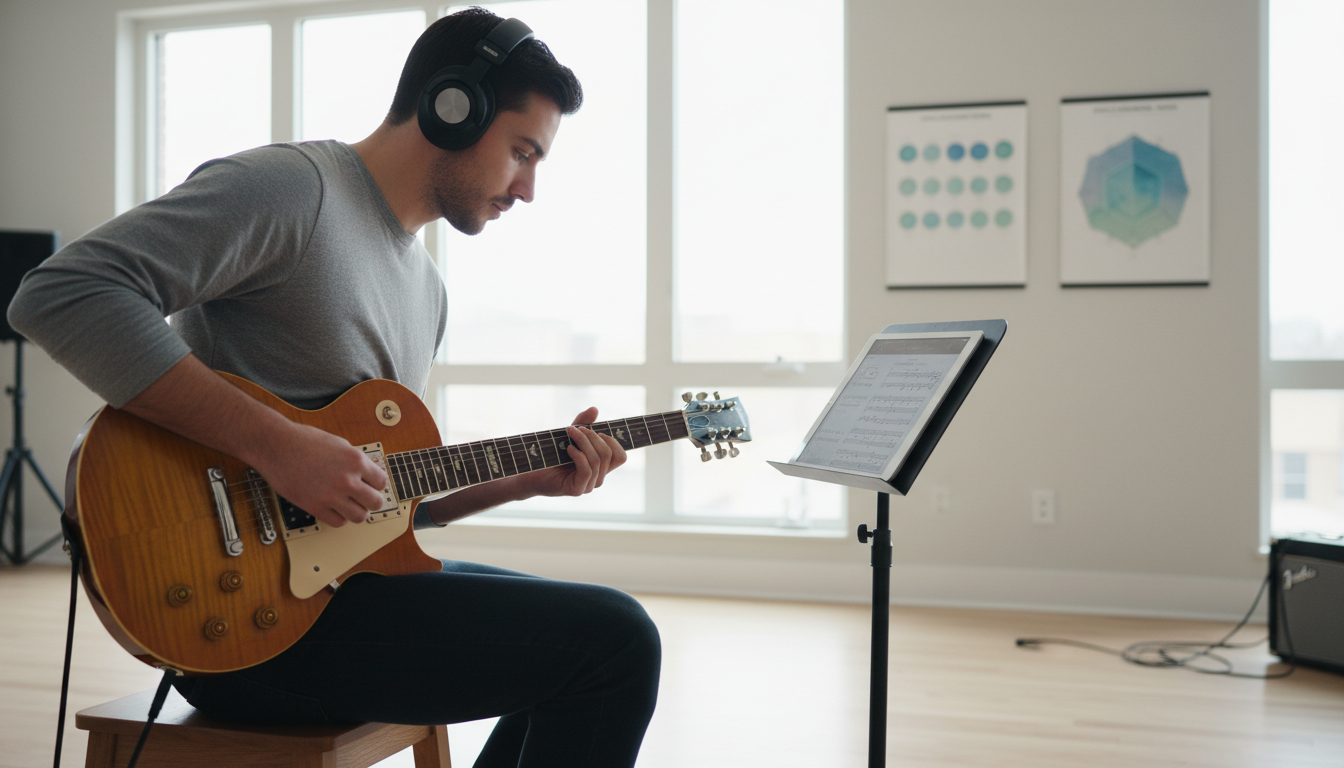
Regular practice of scales and arpeggios is essential for developing finger dexterity and familiarity with your instrument. This practice will enable you to move smoothly between notes during improvisation.
Start with basic major and minor scales, then gradually work your way up to more complex scales like the blues scale and bebop scale. Practicing arpeggios will help you connect chord tones and create more melodic solos.
Experiment with Rhythms
Rhythm is a key component of jazz improvisation. Experimenting with different rhythms can add interest and complexity to your solos. Try incorporating syncopation, swing, and polyrhythms into your practice routine.
Practicing with a metronome or backing track can help you develop a strong sense of timing and rhythm. Start slow and gradually increase the tempo as you become more comfortable.
Join a Jazz Ensemble
Playing with other musicians is one of the best ways to improve your improvisation skills. Joining a jazz ensemble or attending jam sessions will provide you with opportunities to practice improvisation in a live setting.
Playing with others will also help you develop essential skills like listening, reacting, and communicating musically. These experiences are invaluable for any aspiring jazz improviser.
Record and Review Your Playing
Recording your practice sessions and performances is an effective way to track your progress. Listening to your recordings allows you to identify areas for improvement and recognize your strengths.
Review your recordings critically, but also celebrate your achievements. Regularly assessing your progress will motivate you to continue improving and refining your improvisation skills.
Stay Creative and Open-Minded
Jazz improvisation is an art form that thrives on creativity and innovation. Don't be afraid to take risks and explore new ideas. Experiment with different scales, modes, and rhythms to develop your unique voice.
Remember, there are no mistakes in jazz—only opportunities to create something new and exciting. Stay open-minded and enjoy the journey of musical exploration.