
Jazz Drumming Techniques: A Beginner's Guide to Improvisation

Understanding Jazz Drumming
Jazz drumming is an art form that requires creativity, finesse, and a deep understanding of rhythm. Unlike other styles of drumming, jazz allows for a high degree of improvisation, making it both challenging and rewarding. For beginners, mastering the basics is essential before diving into improvisation.
The foundation of jazz drumming lies in understanding the various rhythms and techniques that set it apart. From swing to bebop, each style has its unique characteristics. Developing a solid sense of timing and feel is crucial to becoming a proficient jazz drummer.
Starting with the Basics
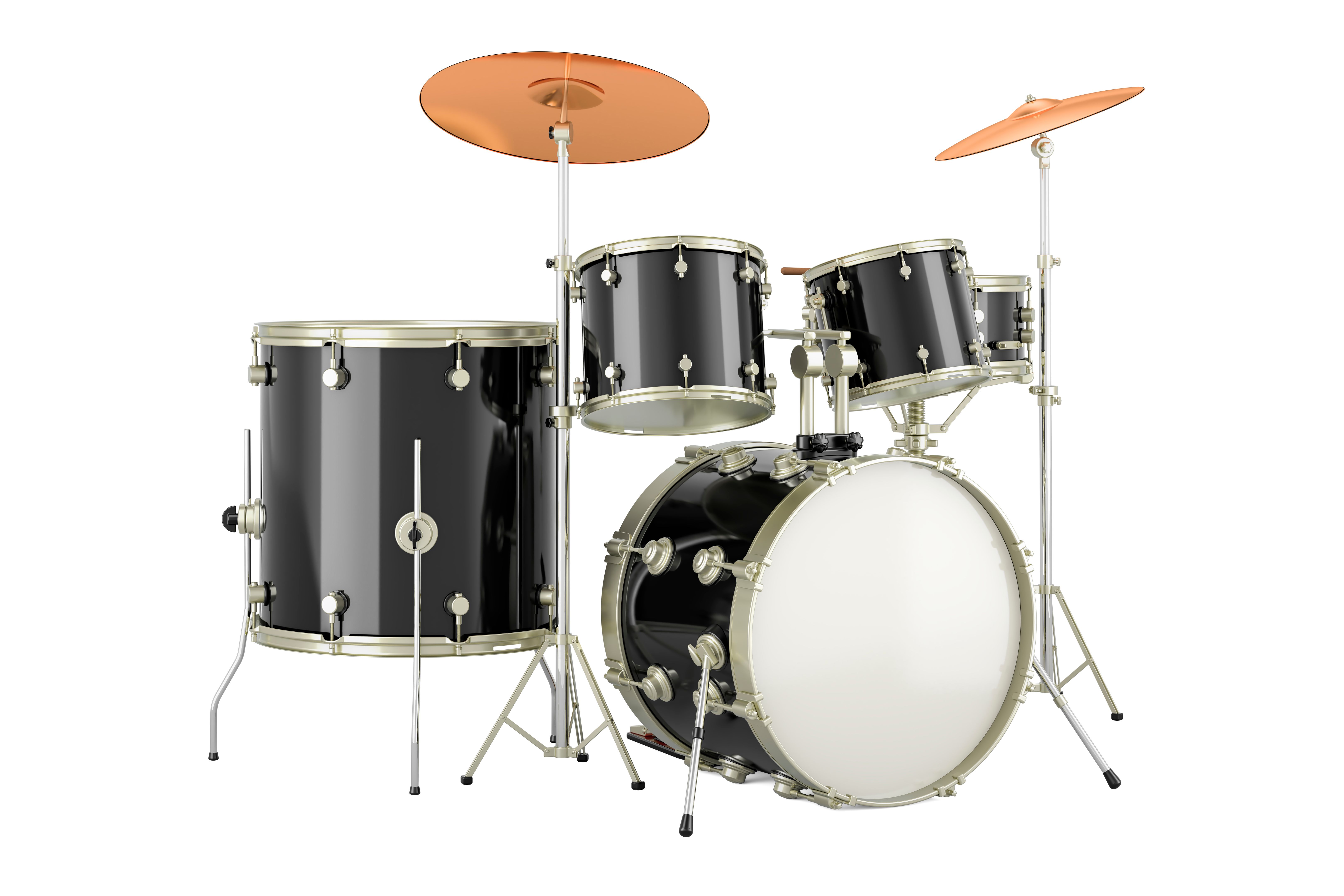
Before you can improvise, it's important to be comfortable with the basic techniques. Start by practicing the classic jazz ride pattern, often played on the ride cymbal. This pattern forms the backbone of many jazz tunes and helps maintain the groove.
Another fundamental technique is using the hi-hat. In jazz, the hi-hat is typically played on the 2 and 4 beats, providing a steady pulse. Mastering these basics will set the stage for more advanced improvisational techniques.
Tools for Practice
As a beginner, having the right tools can make a significant difference. Consider using a metronome to keep your timing precise. Additionally, playing along with jazz recordings can help you internalize the feel and flow of different styles.
Exploring Improvisation
Once you are comfortable with the basics, you can begin to explore improvisation. Improvisation in jazz drumming involves creating spontaneous rhythms and patterns. It's about expressing yourself and responding to the other musicians in the band.
Start by experimenting with different rhythms and fills during practice sessions. Use your knowledge of the basic patterns to build more complex and interesting variations. Remember, improvisation is about creativity, so don't be afraid to try new things.
Listening and Learning
Listening is a crucial part of learning to improvise. Spend time listening to great jazz drummers and analyze their techniques. Pay attention to how they interact with other instruments and how they contribute to the overall sound of the band.

Joining a Jazz Ensemble
One of the best ways to improve your improvisational skills is by playing with other musicians. Joining a jazz ensemble or jam session allows you to practice in a real-world setting. You'll learn to listen and respond to others, which is an essential part of jazz improvisation.
Playing with others also helps you gain confidence. It provides opportunities to test your skills and receive feedback from more experienced musicians. Embrace these experiences as valuable learning opportunities.
Continuous Learning
Jazz drumming is a lifelong journey. Continuous learning and practice are key to improving your skills. Attend workshops, take lessons, and keep challenging yourself with new rhythms and patterns.
Remember, every drummer has a unique voice. Your improvisation should reflect your personal style and musical influences. Stay curious and keep exploring the endless possibilities that jazz drumming offers.