
Jazz Drumming Techniques: Expert Tips from Neill's Jazz Lab

Welcome to Neill's Jazz Lab, where we delve into the rhythmic world of jazz drumming. Jazz is a genre that thrives on spontaneity and creativity, and mastering its drumming techniques can elevate your musicality to new heights. In this post, we'll explore expert tips to help you refine your jazz drumming skills.

Understanding Jazz Drumming
At its core, jazz drumming is about syncopation, swing, and improvisation. Unlike other genres, jazz places a significant emphasis on the drummer's role in shaping the music's dynamic flow. Drummers in jazz often lead rather than follow, providing both rhythm and texture to the ensemble.
One key aspect to focus on is the ride cymbal pattern. This pattern is the heartbeat of jazz drumming, creating a swinging feel that propels the music forward. Practice playing consistent quarter notes with a light touch, allowing the cymbal's natural tone to shine through.
Mastering the Brushes
Brushes are an essential tool for jazz drummers, offering a softer, more subtle sound compared to sticks. They are perfect for creating smooth, textured rhythms. To begin, practice circular motions on the snare drum, experimenting with different pressure levels and techniques to achieve various sounds.
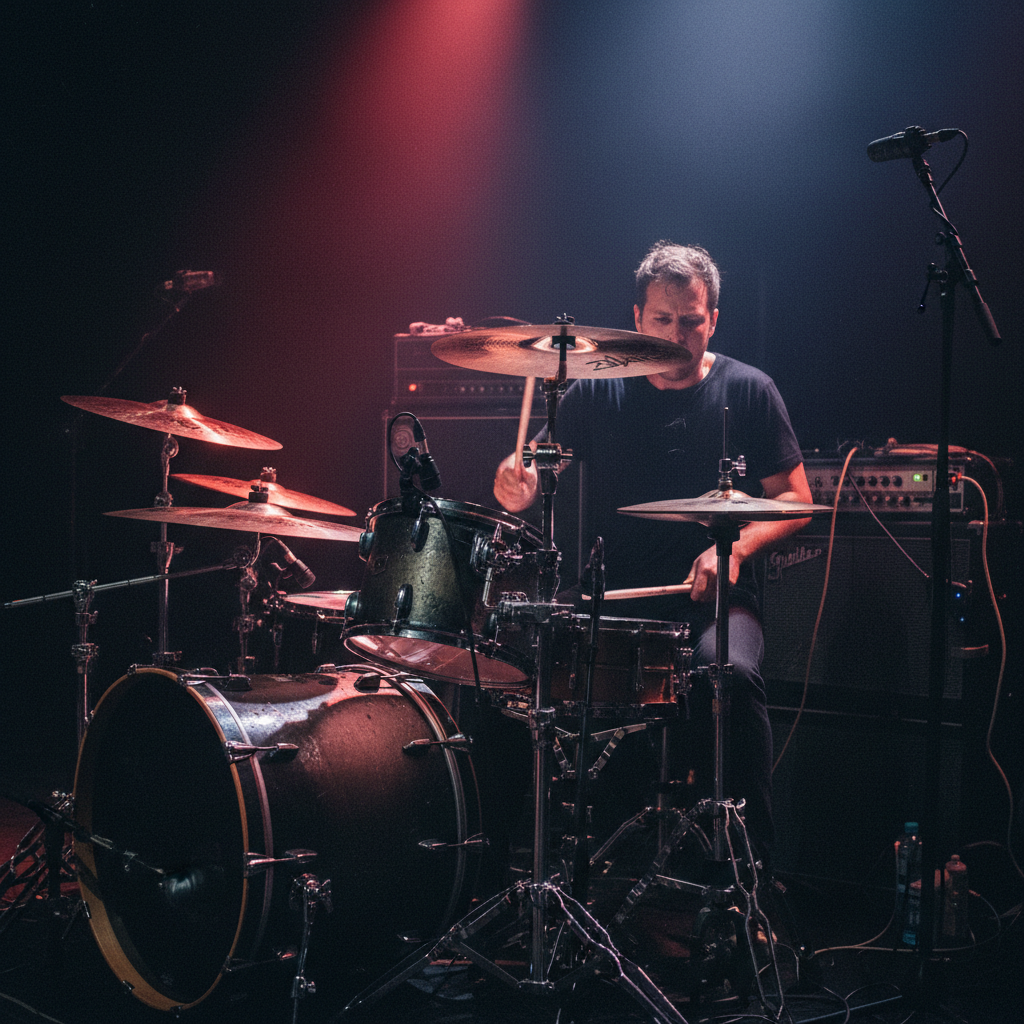
Another fundamental brush technique is the sweep. This involves moving the brushes in a sweeping motion across the drumhead, creating a continuous, flowing sound. Developing a strong brush technique will add a rich layer of expression to your playing.
Improvisation and Creativity
Improvisation is the essence of jazz, and drummers must be adept at thinking on their feet. Start by familiarizing yourself with common jazz standards and their structures. This will provide a foundation for improvising while maintaining musical cohesion.
Engage in call-and-response exercises with other musicians or recordings. This will help you develop your listening skills and interact dynamically with fellow band members. Remember, improvisation is not just about playing solos but also about complementing and enhancing the overall sound.
Polyrhythms and Syncopation
Jazz drummers often explore polyrhythms and syncopation to add complexity to their playing. A polyrhythm involves playing two or more contrasting rhythms simultaneously. Start by practicing simple polyrhythms, such as three against four, to gain a feel for this technique.
Syncopation, on the other hand, involves placing emphasis on unexpected beats or off-beats. This technique adds an element of surprise and excitement to your drumming. Experiment with different syncopated patterns to discover new ways to spice up your rhythms.
Conclusion
Jazz drumming is a dynamic and rewarding pursuit that blends technical skill with artistic expression. By mastering these techniques from Neill's Jazz Lab, you'll enhance your ability to contribute creatively and confidently to any jazz ensemble. Remember, practice is key, so keep those sticks moving and let your creativity flow.