Mastering Jazz Improvisation: Essential Skills for Drummers

Jazz improvisation is an exhilarating art form that challenges drummers to express their creativity and technical skills in real-time. Mastering this aspect of jazz requires a unique set of skills that differ from traditional drumming techniques. In this blog post, we explore the essential skills every jazz drummer needs to excel in improvisation.

Understanding Jazz Rhythms
One of the fundamental aspects of jazz drumming is a deep understanding of jazz rhythms. Drummers must be familiar with swing time, syncopation, and the intricate patterns that define the genre. Practicing these rhythms with a metronome can help drummers develop a strong sense of time and improve their ability to improvise effectively.
Besides mastering standard jazz rhythms, it's crucial to explore various sub-genres such as bebop, Latin jazz, and fusion. Each brings its own rhythmic complexities and requires a tailored approach. This diversity not only enriches your playing but also enhances your ability to adapt during improvisational sessions.
Developing Technical Proficiency
Technical proficiency is essential for jazz improvisation. A solid foundation in rudiments such as single strokes, double strokes, and paradiddles allows drummers to execute complex patterns with ease. Incorporating these rudiments into daily practice routines will build the necessary speed and precision.
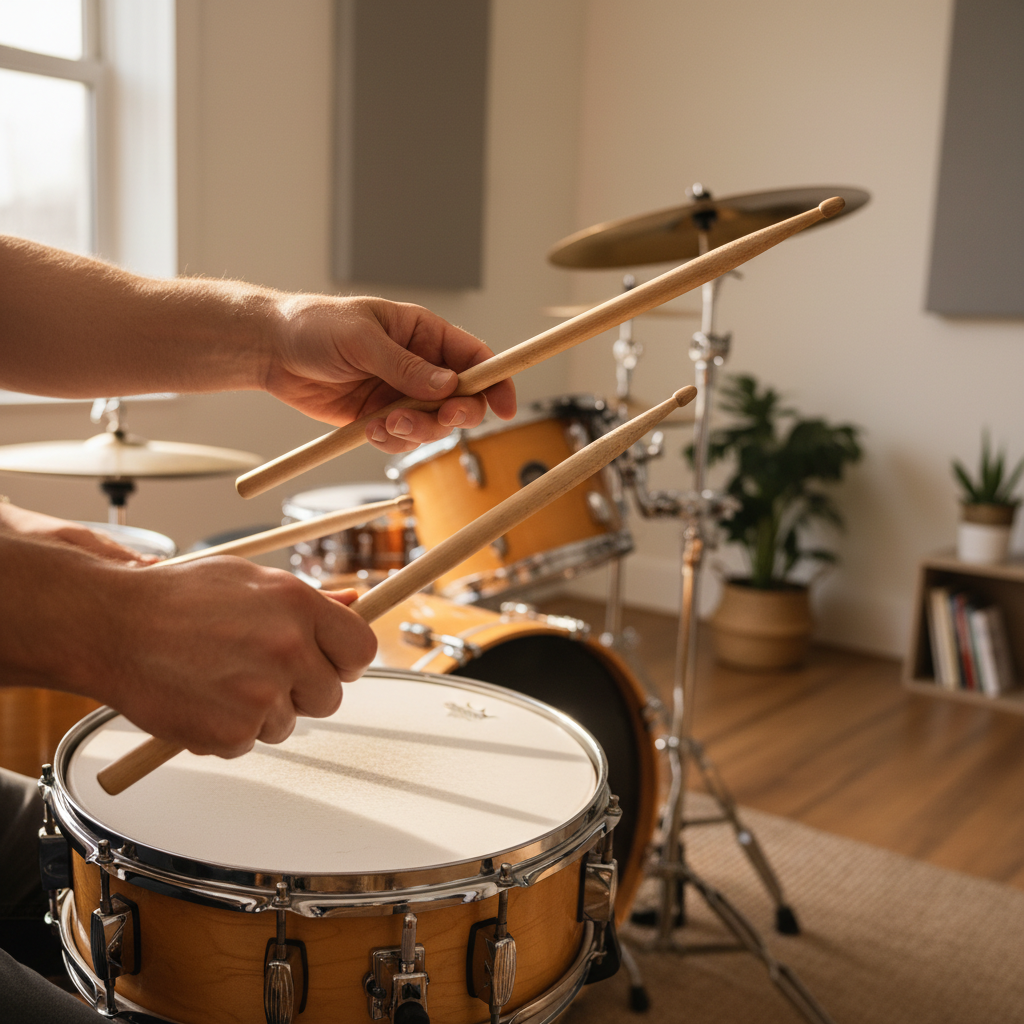
Moreover, practicing coordination exercises is vital. Jazz drumming often involves playing polyrhythms, where different limbs perform separate rhythms simultaneously. Building this independence is key to being able to improvise fluidly without getting tangled in your own beats.
Listening and Interaction
Jazz is a conversational form of music, and effective improvisation requires attentive listening. Drummers must be able to respond to other musicians in the ensemble, adapting their playing to complement the soloist or enhance the overall sound. This requires a keen ear and the ability to anticipate musical changes.
Participating in jam sessions is an excellent way to develop these interactive skills. Engaging with other musicians in a live setting pushes you to react spontaneously, honing your ability to blend with the group and contribute meaningfully to the music.
Expressing Personal Style
While technical skills are crucial, jazz improvisation is ultimately about personal expression. Every drummer has a unique voice, and developing this voice is an ongoing journey. Experimenting with different sounds, rhythms, and dynamics allows you to find your distinctive style.
Don’t be afraid to take risks and explore unconventional ideas. Jazz thrives on innovation, and your willingness to push boundaries can lead to exciting discoveries. Remember, the goal is to convey your emotions and ideas through your drumming, making each performance a reflection of your artistic identity.
Conclusion
Mastering jazz improvisation is a rewarding endeavor that combines technical skill, rhythmic understanding, and personal expression. By focusing on these essential skills, drummers can elevate their playing and contribute richly to the jazz ensemble. Whether you're a seasoned drummer or just starting, embracing these principles will set you on a path to becoming a standout jazz musician.