Myth-Busting Jazz Drumming: Common Misconceptions Debunked

Understanding Jazz Drumming
Jazz drumming is a unique and intricate art form that often leaves many with misconceptions about its nature and techniques. Despite its complexity, jazz drumming is accessible and offers a rich history of rhythm and innovation. Let's explore some common myths about jazz drumming and uncover the truth behind them.
Myth 1: Jazz Drumming Is All About Speed
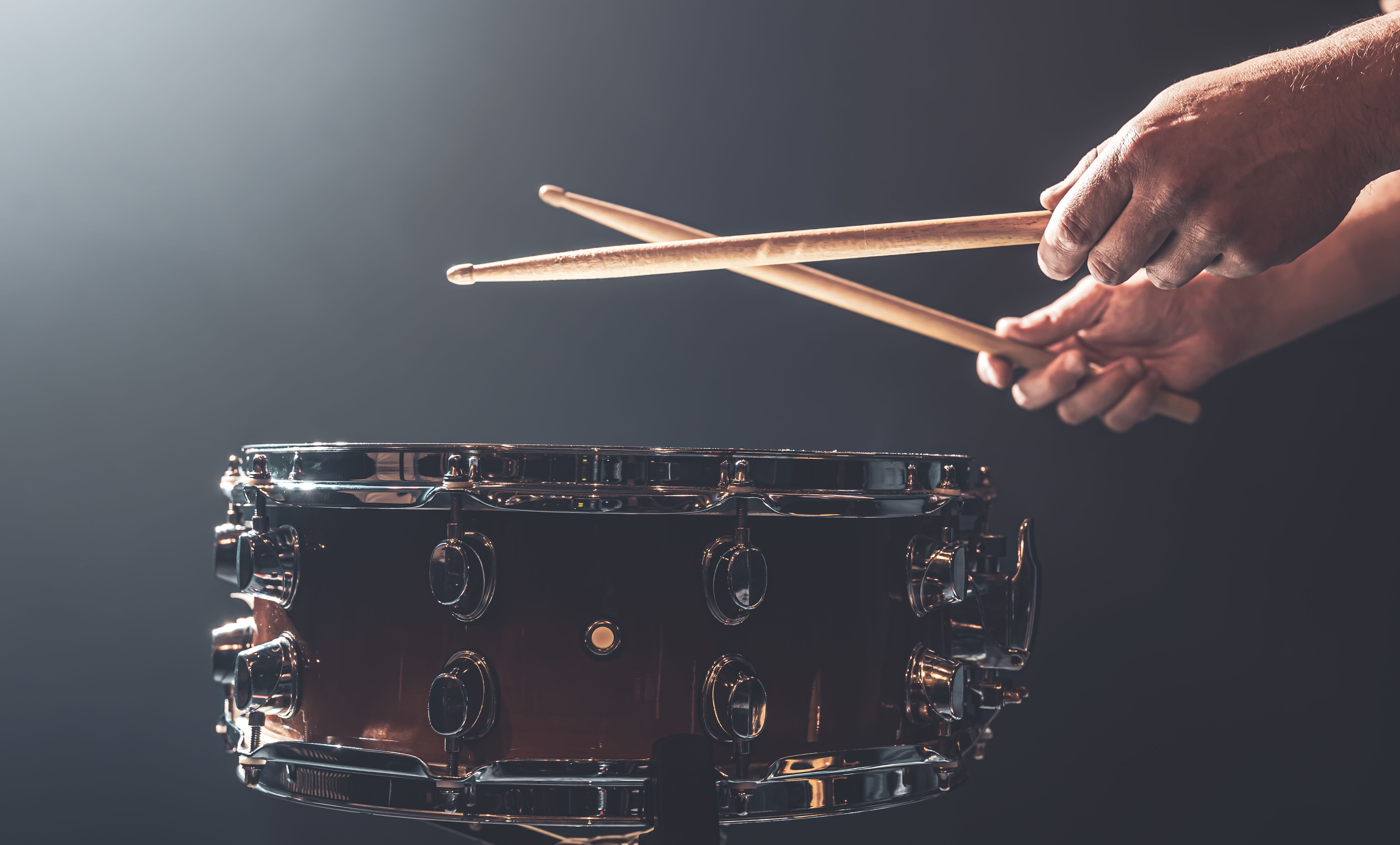
One of the most prevalent myths is that jazz drumming is solely about playing fast. While speed can be an element of jazz, it's not the defining feature. Jazz drumming focuses on feel, dynamics, and interaction with other musicians. It's about creating a musical conversation, not just showcasing technical prowess.
Jazz drummers use a variety of techniques to build texture and nuance. The art lies in the subtlety and the ability to adapt to the flow of the music. Fast playing can be impressive, but it's the ability to weave intricate patterns and respond to fellow musicians that truly defines a skilled jazz drummer.
Myth 2: You Must Be Born with Rhythm to Play Jazz
Another common misconception is that one must be born with an innate sense of rhythm to play jazz. While natural talent can be an advantage, jazz drumming is a skill that can be developed with practice and dedication. Many renowned jazz drummers have honed their skills over years of consistent practice and learning.

Learning jazz drumming involves understanding complex time signatures, syncopation, and the ability to improvise. These skills can be acquired through structured lessons, listening to jazz music, and regular practice sessions. Persistence and passion are key components in mastering jazz drumming.
Myth 3: Jazz Drumming Is Chaotic and Unstructured
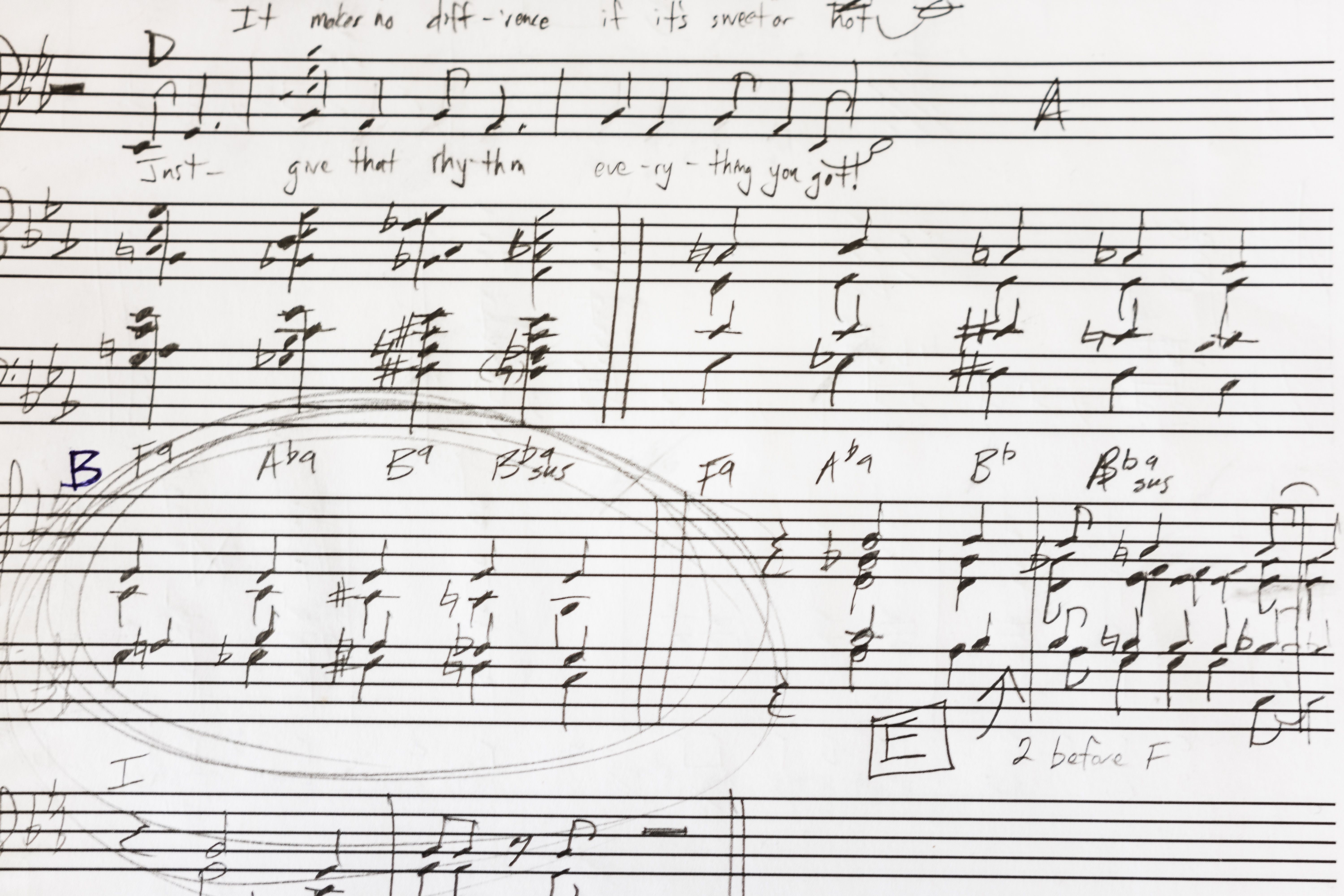
Jazz music often appears free-form and chaotic to the untrained ear, leading to the belief that jazz drumming lacks structure. In reality, jazz drumming is highly structured, with specific patterns and rhythms that form the backbone of a piece. Drummers must be well-versed in different jazz styles, such as bebop, swing, and Latin jazz, each with its own distinct characteristics.
Jazz drummers often follow a song's form while adding their own flavor through improvisation. This balance between structure and spontaneity is what makes jazz drumming both challenging and rewarding.
Myth 4: Jazz Drumming Is Only for Experts
Many believe that jazz drumming is an exclusive domain for expert musicians. While jazz does demand a certain level of proficiency, it's not reserved only for the elite. Beginners can start with basic jazz rhythms and gradually progress to more complex patterns. The key is to approach jazz drumming with an open mind and a willingness to explore.
There are numerous resources available for aspiring jazz drummers, including online tutorials, books, and workshops. Engaging with a community of jazz musicians can also provide valuable insights and motivation.
Embracing the Jazz Drumming Journey
Jazz drumming is a dynamic and expressive art form that continues to evolve. By debunking these myths, we can appreciate the true essence of jazz drumming and encourage more musicians to explore this vibrant genre. Whether you're a beginner or an experienced drummer, the world of jazz offers endless opportunities for growth and creativity.