
Preparing for a Jazz Performance: What Every Drummer Should Know


Understanding the Role of a Jazz Drummer
In a jazz ensemble, the drummer plays a vital role, not only in keeping time but also in adding texture and dynamics to the music. Unlike other genres, jazz drumming requires a deeper understanding of improvisation and interaction with other musicians. Being prepared involves more than just technical skills; it's about feeling the music and contributing creatively to the group's sound.

Mastering the Basics
Before diving into a performance, ensure you have a solid grasp of fundamental techniques like stick control, footwork, and timing. Practice rudiments daily to enhance your speed and precision. Jazz often involves complex rhythms, so being comfortable with odd times and syncopation is crucial. Use a metronome to help maintain consistent tempo and explore different patterns.
Listening is key in jazz drumming. Spend time listening to classic jazz recordings to understand various styles and techniques. Focus on drummers like Max Roach, Art Blakey, and Elvin Jones to gain insights into their approaches and how they interact with their bands.
Preparing for the Performance
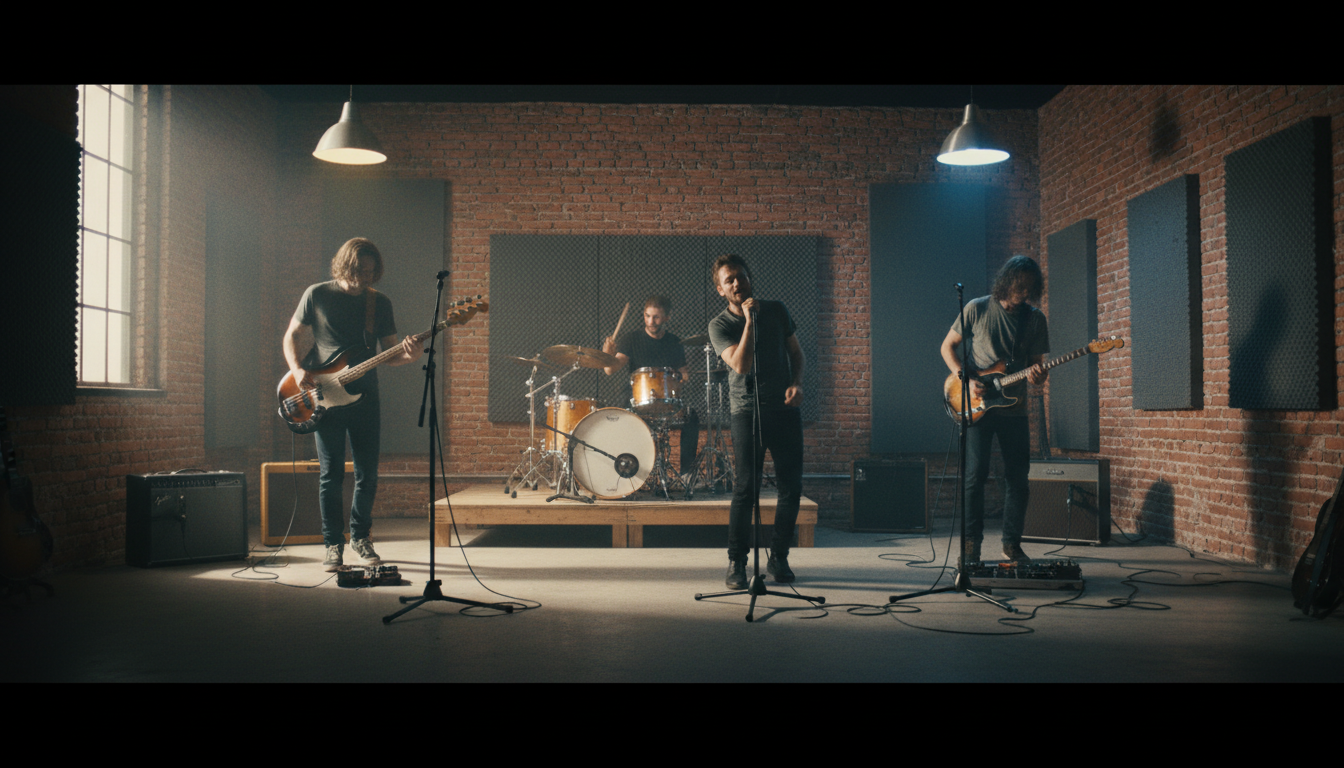
Preparation is essential for a successful jazz performance. Start by knowing the setlist inside out. Familiarize yourself with the song structures, tempos, and any specific cues from other band members. Rehearse regularly with your band to build chemistry and ensure everyone is on the same page.
Equipment Check
Ensure your drum kit is in top condition. Check the tuning, replace worn-out drumheads, and carry spare sticks, brushes, and mallets. Adjust your setup for comfort and accessibility, allowing you to play with ease. Consider using a small kit to maintain the subtlety required in jazz performances.
- Check drum tuning
- Replace worn drumheads
- Carry spare sticks and brushes
Developing Your Improvisation Skills
Improvisation is at the heart of jazz. Practice playing along with backing tracks or a live band, focusing on creating interesting rhythms and fills. Listen to other musicians in the ensemble and respond to their musical cues. This interactive approach enhances the overall performance and keeps the music fresh and engaging.
Staying Calm and Focused
Performance anxiety is common, especially in jazz, where spontaneity is key. Develop techniques to stay calm, such as deep breathing or visualization. Before hitting the stage, take a moment to relax and center yourself. Remember that jazz is about expression and communication, not perfection.
- Deep breathing exercises
- Visualization techniques
- Focus on expression, not perfection
In conclusion, preparing for a jazz performance requires dedication, practice, and a passion for the music. By mastering the basics, ensuring your equipment is ready, and honing your improvisation skills, you'll be well-equipped to deliver an outstanding performance. Embrace the spontaneity of jazz, and enjoy the creative journey it offers.