Preparing for Your First Jazz Drum Lesson: Tips from Expert Instructors

Understanding Jazz Drumming
Embarking on your journey to learn jazz drumming is an exciting endeavor. Jazz drumming is known for its complexity, improvisation, and unique rhythms. Before your first lesson, it’s essential to familiarize yourself with the basics of jazz music and its distinct drumming style. Listening to iconic jazz drummers like Max Roach and Art Blakey can provide insight into the genre’s nuances.
Setting Up Your Drum Kit
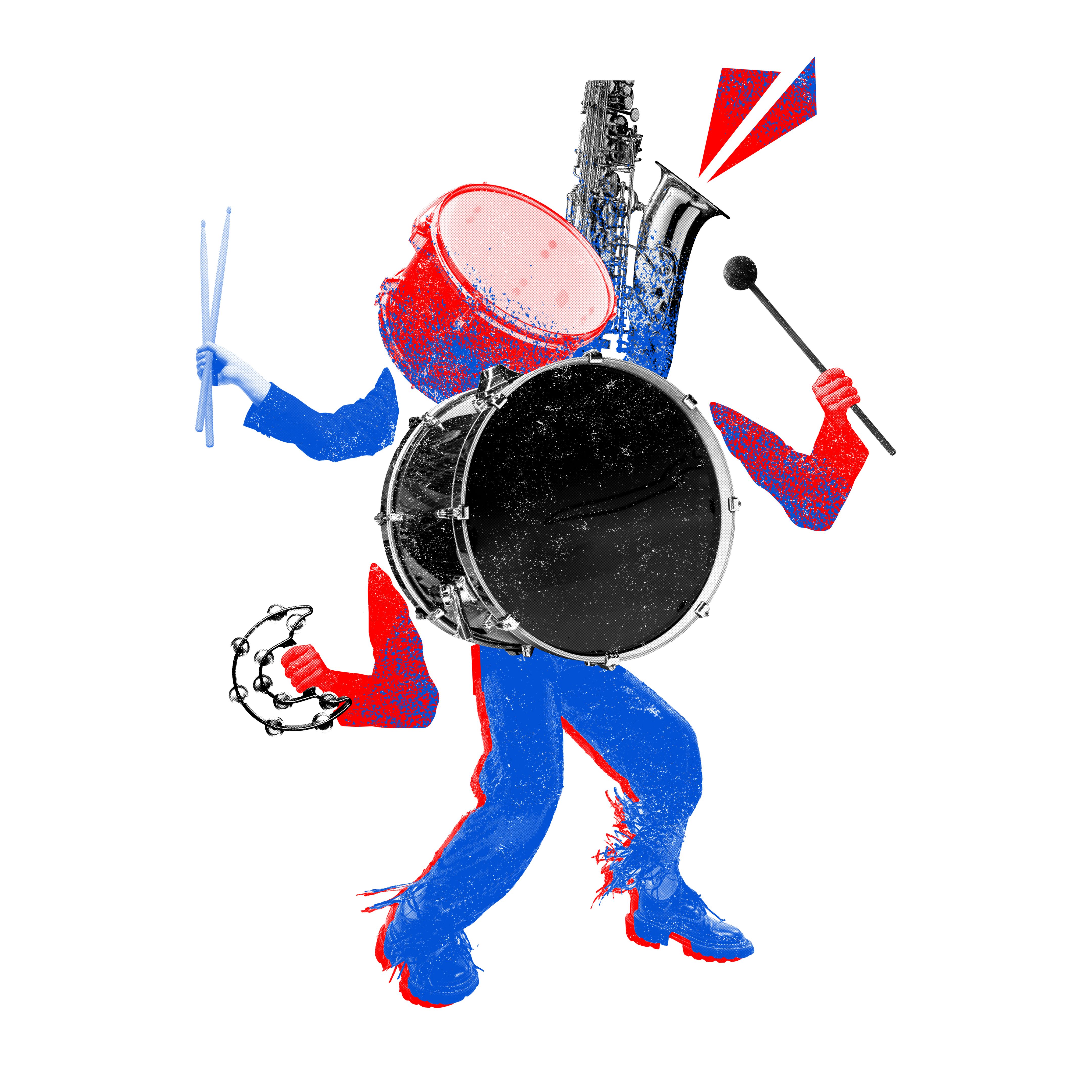
Your drum kit setup is crucial for a successful practice session. Ensure that your kit is arranged comfortably and ergonomically. The snare drum should be positioned just above your knees, with the bass drum pedal easily accessible. Adjust the height of your cymbals and toms to avoid unnecessary strain while playing. Proper setup enhances your playing experience and minimizes fatigue.
Essential Techniques to Practice
Before your first lesson, practicing basic drumming techniques can be beneficial. Focus on the grip and control of your drumsticks. The matched grip is commonly used in jazz drumming, providing better control and precision. Additionally, work on your rudiments, as these are the foundation for complex jazz rhythms.
Familiarize Yourself with Jazz Rhythms
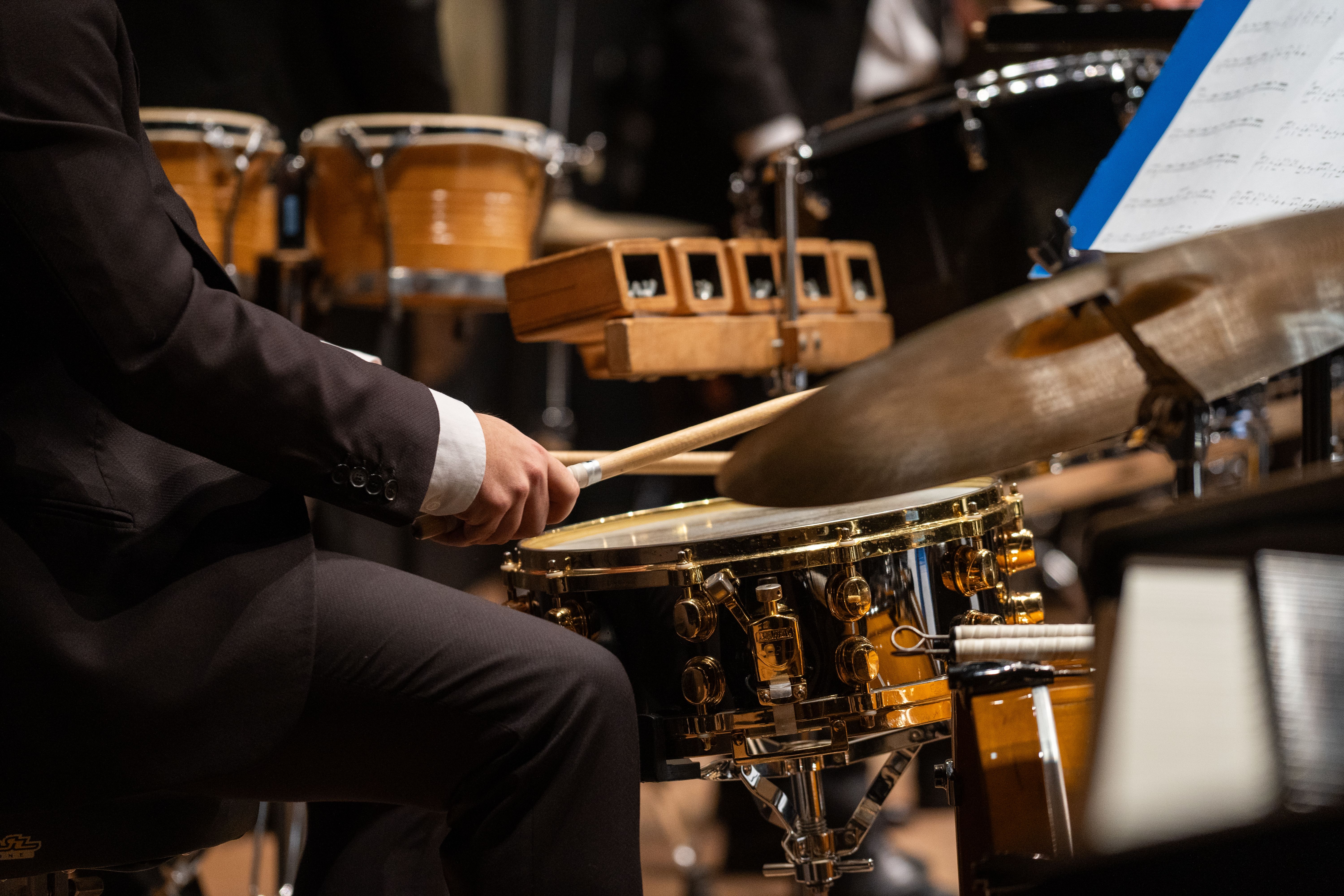
Jazz drumming often involves intricate rhythms and syncopations. Start by listening to various jazz tracks and try to tap along to the beat. Pay attention to the swing feel, a key element in jazz music. Practicing with a metronome can help you internalize these rhythms and improve your timing.
What to Bring to Your Lesson
Being prepared for your first jazz drum lesson will ensure you get the most out of the experience. Here’s a checklist of items to bring:
- Drumsticks: A pair of quality sticks is essential.
- Notebook: Take notes on techniques and tips during the lesson.
- Recording Device: Recording your lesson can be a valuable tool for review.

Setting Realistic Goals
Setting realistic goals is crucial for your progress and motivation. Discuss your goals with your instructor during your first lesson. Whether you aim to play in a band or simply enjoy jazz drumming as a hobby, having clear objectives will guide your practice sessions and keep you focused.
Building a Practice Routine
A consistent practice routine is key to mastering jazz drumming. Dedicate time each day to practice the techniques and rhythms you learn. Break your practice sessions into focused segments, such as warm-ups, technique drills, and rhythm exercises, to maximize efficiency and progress.

Enjoying the Journey
Finally, remember that learning to play jazz drums is a journey filled with exploration and creativity. Enjoy the process and embrace the challenges as opportunities for growth. With dedication and practice, you’ll find yourself becoming more confident and skilled with each lesson.