
The Evolution of Jazz Drumming: From Past to Present

The Roots of Jazz Drumming
Jazz drumming has its roots deeply embedded in the rich soil of African rhythms and the vibrant streets of New Orleans. The early 20th century saw the emergence of jazz as a distinct musical genre, and with it came a new approach to drumming. The drum set, a unique American invention, became a crucial component of the jazz ensemble, allowing a single player to cover multiple percussion parts.
Pioneers like Baby Dodds and Zutty Singleton set the groundwork, using techniques that would become foundational in jazz. Their innovative use of the bass drum, snare, and cymbals created a new rhythmic language that was both supportive and expressive.

Swing Era Transformations
As jazz evolved, so did the role of the drummer. The Swing Era of the 1930s and 1940s brought drummers like Gene Krupa and Buddy Rich to the forefront. Their energetic and flamboyant playing styles helped elevate the drummer from a background timekeeper to a star performer.
Drummers in this era focused on driving the band with strong, steady rhythms while also incorporating more elaborate solos. The use of the ride cymbal became more prominent, creating a smoother and more flowing sound.
The Bebop Revolution
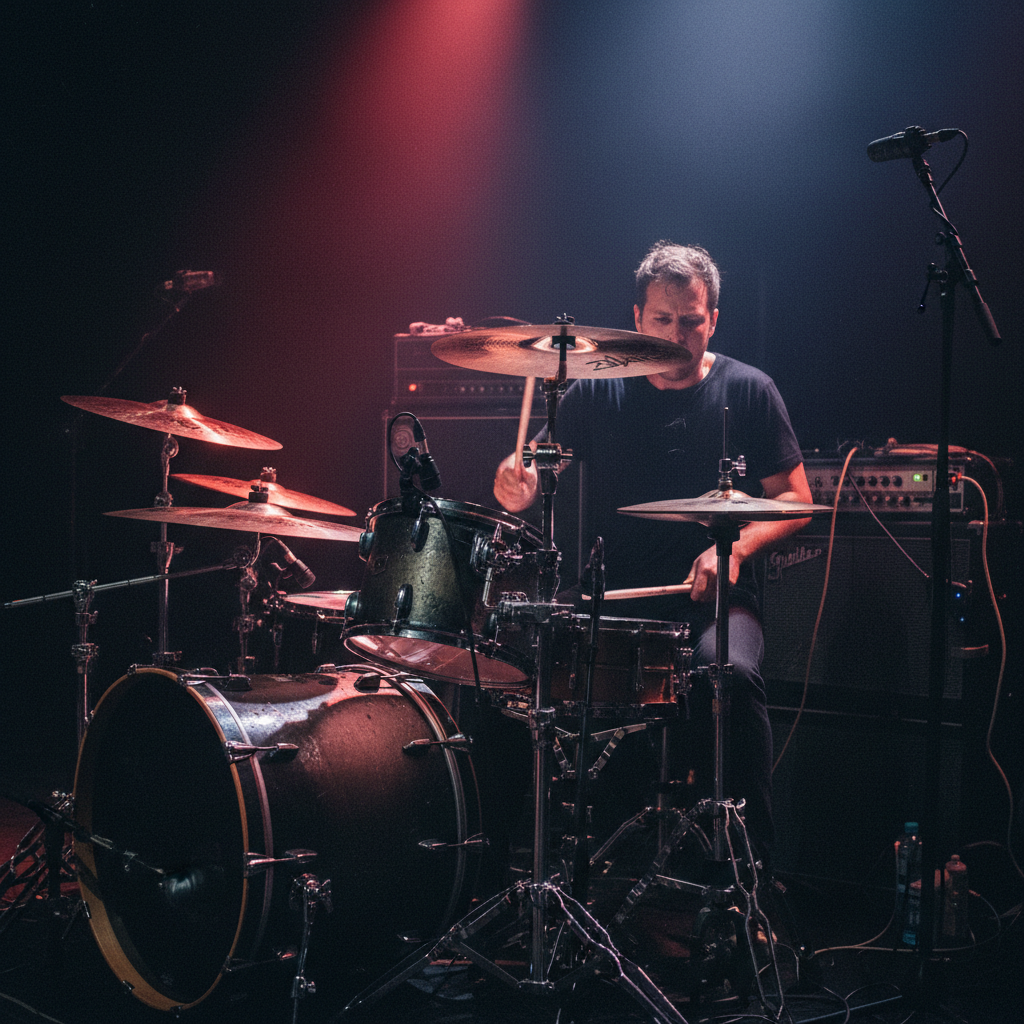
The 1940s and 1950s introduced Bebop, a genre that demanded a more complex and dynamic approach to drumming. Innovators like Max Roach and Art Blakey redefined jazz drumming with their intricate rhythms and polyrhythmic patterns.
This period saw drummers exploring new textures and sounds, often using brushes and experimenting with tempo and dynamics. The drummer's role became more interactive, engaging in musical conversations with other band members.
Modern Jazz Drumming
Today's jazz drummers stand on the shoulders of these giants, continuing to push the boundaries of what is possible. Players like Brian Blade and Mark Guiliana have incorporated elements from other musical genres, such as rock, funk, and electronic music, to create a more eclectic and diverse sound.
The use of technology, like electronic drum pads and sampling, has further expanded the palette available to drummers, allowing for innovative musical expressions.
Impact and Influence
Jazz drumming has not only shaped the genre itself but has also influenced a wide range of other musical styles. From rock to hip-hop, the techniques and rhythms pioneered by jazz drummers continue to resonate across the musical landscape.
The evolution of jazz drumming is a testament to the creativity and adaptability of musicians who have continuously reinvented themselves and their art form.
The Future of Jazz Drumming
As we look to the future, the possibilities for jazz drumming seem limitless. With a rich history to draw from and a world of music to explore, the next generation of drummers will undoubtedly continue to innovate and inspire.
Whether through blending genres, exploring new technologies, or simply perfecting their craft, jazz drummers will keep the spirit of innovation alive, ensuring that this vital element of jazz continues to evolve and thrive.