The Ultimate Guide to Jazz Drumming Techniques

Jazz drumming is an art form that requires a unique blend of creativity, precision, and feel. Unlike other styles, jazz drumming allows for a high degree of improvisation and personal expression. This guide will walk you through the essential techniques that every aspiring jazz drummer should master.
Understanding Jazz Rhythms
The foundation of jazz drumming lies in its rhythms. Jazz rhythms are often syncopated and swing-based, providing a distinct groove that sets jazz apart. Mastering these rhythms involves understanding how to play with a swing feel, where the emphasis is on the off-beats.
The Swing Feel
A key component of jazz drumming is the swing feel. This involves playing eighth notes with a triplet feel, where the first note is longer than the second. Practicing with a metronome set to a slow tempo can help you internalize this rhythm.
Essential Techniques for Jazz Drumming
To excel in jazz drumming, you need to master a range of techniques. These techniques provide the tools to express yourself creatively while keeping time with precision.
Brush Techniques
Brushes are a staple in jazz drumming. They allow for a softer, more subtle sound that's perfect for ballads and quieter sections. Practice using brushes in circular motions to create a smooth, flowing sound.
Comping
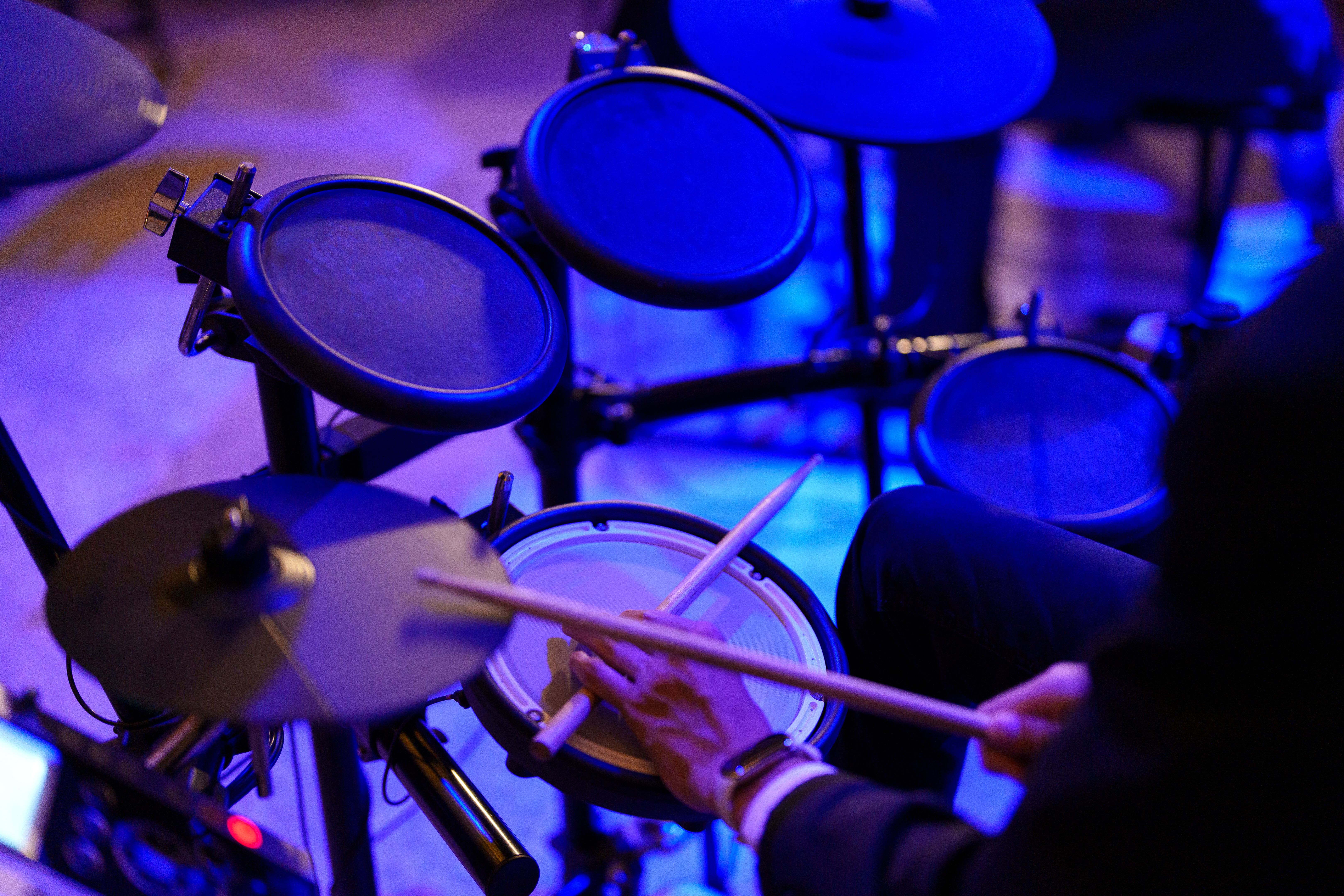
Comping, or accompaniment, is a technique where the drummer adds rhythmic accents to support the band. This involves playing syncopated rhythms on the snare drum or hi-hat while maintaining the groove on the ride cymbal.
Improvisation in Jazz Drumming
Improvisation is at the heart of jazz. As a drummer, your role is to complement the soloists and respond to the music in real-time. This requires listening closely and being ready to adapt to changes in dynamics and tempo.
Trading Fours
Trading fours is a common practice in jazz where the drummer and other musicians take turns playing four-bar solos. This exercise helps develop your improvisational skills and encourages you to think creatively.
Advanced Techniques and Tips
Once you have a grasp of the basics, you can explore more advanced techniques. These include polyrhythms, where two different rhythms are played simultaneously, and metric modulation, which involves changing the perceived tempo without altering the actual beat.
Always remember to practice with a metronome and record your sessions to track your progress. Listening to legendary jazz drummers like Max Roach, Art Blakey, and Elvin Jones can also provide invaluable insights and inspiration.
In conclusion, mastering jazz drumming techniques takes time and dedication, but the reward is the ability to express yourself in one of the most dynamic and creative musical genres. Keep practicing, stay curious, and most importantly, enjoy the journey.